

Why Are Falls a Concern in Assisted Living?
Falls represent a leading cause of injury for older adults living in assisted living communities, including those in Jefferson Hills, PA. Even a seemingly minor trip can result in broken bones, head injuries, or a loss of independence. Understanding why falls occur and how to reduce their risk empowers residents and families to create safer environments.
Several factors increase the likelihood of falls as people age:
- Changes in balance, vision, and muscle strength
- Side effects of medications
- Hazards in living spaces (loose rugs, poor lighting, clutter)
- Chronic medical conditions (arthritis, diabetes, low blood pressure)
Recognizing these risks within the context of local housing (from traditional homes to multi-level townhouses) helps area residents make informed choices about modifications and routines.
What Are the Most Common Causes of Falls in Local Assisted Living Settings?
Accidental falls in Jefferson Hills assisted living residences often have similar root causes:
- Uneven flooring common in older homes or converted properties
- Slippery surfaces, especially during Western Pennsylvania’s wet or icy months
- Poorly lit hallways, stairways, and bathroom areas
- Mobility devices not adjusted or used improperly
- Footwear that lacks grip, especially indoors
Local climate also plays a role. Wet leaves in autumn, winter snow, and ice can make entryways and common outdoor paths unexpectedly hazardous, even when walking just a short distance.
How Can Living Spaces Be Made Safer to Prevent Falls?
Adjustments to private rooms and shared areas can greatly lower fall risk. Begin with a walk-through focused on identifying and removing tripping hazards:
- Secure or remove area rugs
- Coil or tape down electrical cords
- Keep walkways free of shoes, bags, or small furniture
- Install sturdy handrails on both sides of stairways
- Ensure adequate lighting, especially at night; consider motion-sensor nightlights for hallways and bathrooms
- Place non-slip mats in showers and tubs
For those with mobility aids or walkers, make sure pathways are wide enough and free from clutter. In some older homes in the city, narrow hallways or small bathrooms may need special solutions, like wall-mounted grab bars or corner shelves to reduce crowding.
How Does Proper Footwear Support Fall Prevention?
Well-chosen shoes are one of the simplest ways to reduce slips and falls—indoors and out. Many falls in local facilities occur due to slippers with smooth soles or socks alone.
Look for shoes that:
- Have non-skid, rubber soles
- Provide a secure fit (not too loose)
- Fully support the back of the foot (no flip-flops or loose slippers)
- Are easy to put on independently, using Velcro or elastic laces if traditional laces are challenging
In the city’s rainy or icy seasons, make sure footwear offers enough traction to prevent slipping at entrances, on ramps, and in parking lots.
What Role Do Daily Habits and Personal Routines Play?
Routine choices can make a meaningful difference in fall risk. Residents of assisted living communities in Jefferson Hills benefit from:
- Taking time when standing up or turning, especially from bed or a seated position
- Staying hydrated, as dehydration can contribute to dizziness
- Scheduling regular vision checks; changes in eyesight often go unnoticed
- Using walking aids as directed—not just “when needed,” but each time they might be helpful
- Avoiding rushing, especially when responding to doorbells or phones
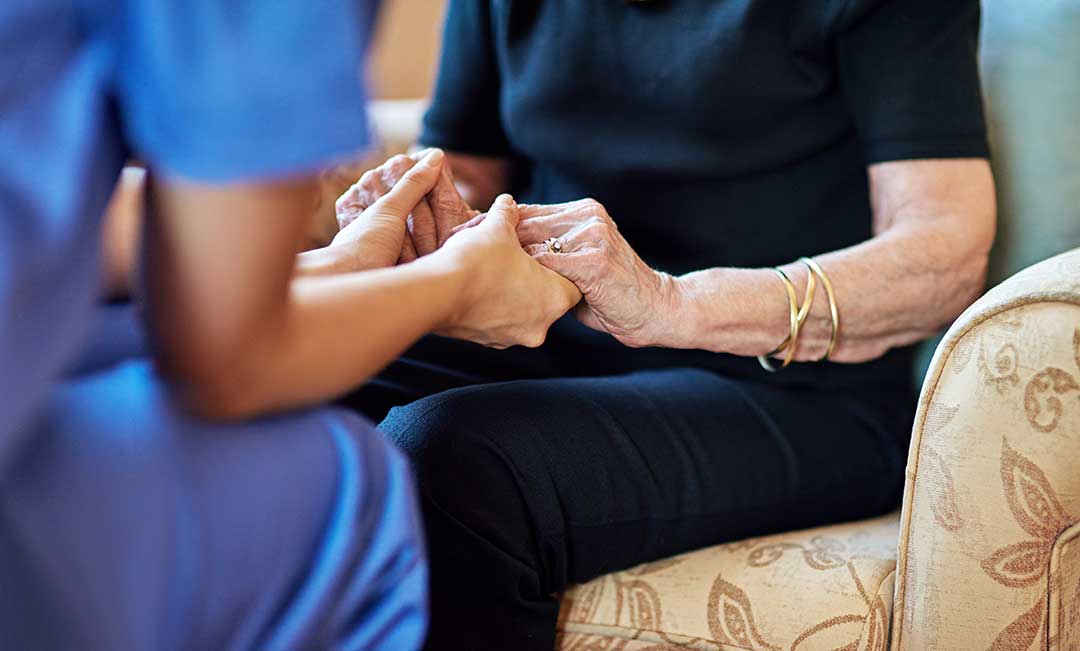
A common misconception is that falls only happen during large movements or activity. In fact, many occur during simple moments—getting up at night to use the bathroom, answering a knock at the door, or reaching for items on a high shelf.
Are There Seasonal Safety Concerns Unique to Jefferson Hills?
Yes. Jefferson Hills experiences a full range of seasonal weather, and each brings its own set of challenges:
- Winter: Snow and ice can linger on entryways and walkways; wet boots may cause slippery indoor floors. Residents can keep a small towel near the door to dry footwear, and consider using ice-melt or sand outside entry steps.
- Autumn: Fallen leaves, while scenic, can be slippery when tracked inside, especially on hard flooring.
- Summer: Heat can lead to dehydration, dizziness, or fatigue—factors that contribute to unsteady movements.
- Spring: Mud and wet conditions can make door mats saturated, increasing the risk of slipping if not changed regularly.
Local assisted living properties sometimes have older landscaping or walkways that may require extra attention. Residents, families, or building staff should check for uneven areas in parking lots or garden paths.
What Misconceptions Lead to Unnecessary Fall Risk?
Some residents believe using a cane or walker signals “decline,” so they avoid these helpful aids until after a fall has occurred. In reality, mobility devices are important tools to maintain independence and stability—using them at the first sign of balance trouble reduces risk.
Another misconception is that falls are simply “part of aging” and can’t be prevented. While aging does increase risk, most falls result from specific, preventable factors—a belief supported by research across Pennsylvania communities.
Finally, thinking that falls only happen in dangerous situations can be misleading. Everyday routines, especially when attention is divided or the environment is familiar, can be just as risky.
How Can Residents Advocate for Their Own Safety?
Residents and their families play an important role in reducing falls by:
- Communicating changes in health, vision, or strength to staff or loved ones
- Requesting repairs or modifications, like improved lighting or new grab bars, as soon as hazards are noticed
- Participating in group exercise or balance classes offered in some local facilities, which help maintain muscle tone and coordination
Awareness and early action usually prevent more falls than any single safety device.
What Should Be Done After a Fall, Even If There’s No Injury?
Sometimes a fall causes no visible harm, but it’s still important to report any incident—however minor. A simple tumble may reveal areas in need of improvement or a new health concern, like a medication side effect. Local facilities typically keep an incident log to spot trends and address recurring causes.
For those living independently, sharing a fall experience with family and updating a medical provider—especially if dizziness, confusion, or weakness was involved—can prevent future injuries.
