
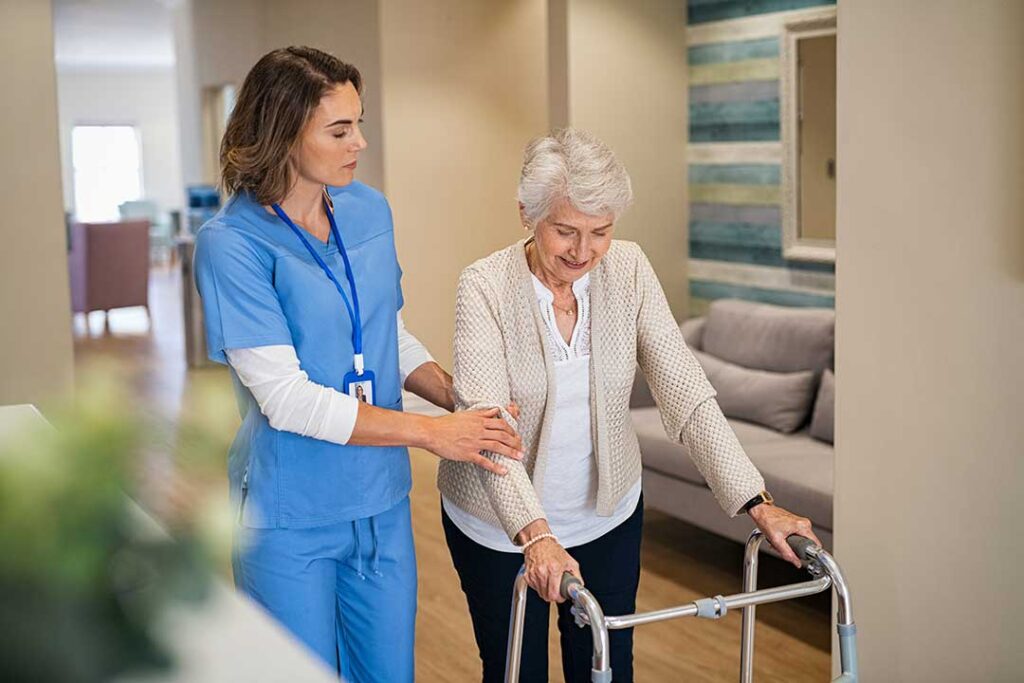
Why Do Seniors in Jefferson Hills, PA Face Greater Risk of Isolation?
Older adults in Jefferson Hills, PA can become isolated for several reasons. Retirement commonly reduces day-to-day social routines, while mobility challenges may limit outings, especially given the area's hilly neighborhoods and less walkable stretches. Winters in the region can further complicate social connections, as snow, ice, and cold temperatures may keep residents homebound for days or weeks at a time.
Some households in the community are spread out or located on quieter streets, which may lead to fewer casual encounters with neighbors. Family and friends might live far away, sometimes due to job changes or other life events, reducing the frequency of visits and support.
How Does Assisted Living Address Senior Isolation?
Assisted living communities are intentionally structured to reduce isolation by providing daily opportunities for interaction, activities, and support. Residents have both private living spaces and shared areas designed to naturally promote social contact. Staff are present throughout the day, so help and friendly conversation are always available, even on days when mobility or weather would otherwise keep someone alone.
In an environment focused on safety and wellness, opportunities for engagement are integrated into the daily schedule through group events, meal times, and shared hobbies. This consistent structure is difficult for many older adults to maintain on their own at home in the community.
What Kinds of Social Activities Are Common?
Assisted living residents typically find more chances for low-pressure, everyday interaction than many realize. Activities might include:
- Group meals in communal dining rooms, offering a chance to talk with peers regularly
- Exercise classes, chair yoga, or guided walks in accessible outdoor spaces
- Arts and crafts workshops
- Movie nights or board game gatherings in shared lounges
- Gardening clubs or seasonal events, reflecting local preferences and climate
- Presentations by local speakers or interest groups
These activities are often adapted to suit different physical abilities, ensuring that everyone who wishes to participate can do so comfortably. For those with more introverted personalities or those adjusting to new surroundings, simply being surrounded by a community provides connection without pressure.
Can Assisted Living Support Individual Social Preferences?
Not all older adults want constant activity. Some prefer quiet company, a smaller circle of friends, or predictable routine over large group events. Assisted living settings typically offer flexibility:
- Residents can choose which activities to join, if any
- Private and semi-private living arrangements support quiet time
- Staff are trained to recognize and respect a range of social needs and comfort levels
For those who enjoy hobbies like reading, gardening, or watching a favorite show, communities often have libraries, outdoor courtyards, or media rooms. Community design often balances privacy with accessibility, letting residents control their experiences.
Does Proximity Really Matter for Preventing Isolation?
Living near others with shared life experiences can make socializing easier, especially in a city like Jefferson Hills where many residents come from similar backgrounds, worked in nearby towns, or have families rooted in the area. Local residents may be pleasantly surprised to reconnect with old friends or discover neighbors with similar stories.

The simple prompt of seeing others in hallways, elevators, or shared gardens makes spontaneous conversation far more likely. This contrasts with single-family homes, where inclement weather or concerns about falls can discourage even a short walk to a neighbor’s house.
Are There Emotional Benefits Beyond Socializing?
Social connection in assisted living goes beyond just conversation. Emotional well-being is linked to feeling part of something larger, knowing support is available, and experiencing a sense of purpose. Assisted living helps:
- Reduce feelings of loneliness and depression by ensuring regular interaction
- Reinforce daily routines that support cognitive and emotional health
- Provide opportunities for residents to assist one another, share skills, or help with small community needs—fostering self-worth and belonging
Support staff and caregivers are often the first to notice changes in mood or appetite, which might signal loneliness or other issues. Early detection and a supportive response are much easier in a community setting than in isolated situations.
What Are Common Misconceptions About Isolation and Assisted Living?
People sometimes believe that moving from a family home could increase loneliness, imagining assisted living as “institutional” or impersonal. In reality, many residents find greater independence and a stronger sense of community than they experienced on their own, especially if mobility, weather, or safety concerns limited their recent social opportunities.
Another misconception is that only extroverted or outgoing people benefit. In fact, even those who prefer limited interaction report feeling more secure simply being surrounded by others, with the freedom to choose how much to participate.
How Do Local Seasonal Factors Affect Isolation?
In areas like Jefferson Hills where winters can be long and unpredictable, seniors living alone may go days without visitors or the ability to safely venture outside. Assisted living facilities are prepared for these seasonal challenges, ensuring that life remains active and connected even during storms or icy conditions. Meals, activities, and wellness checks happen regardless of the weather, which is especially reassuring for area households concerned about older relatives during the colder months.
Can Family Stay Involved When a Senior Moves to Assisted Living?
Family and friends remain a central part of a resident’s life after transitioning to assisted living. Many settings encourage regular visitation and offer technology options (such as video calls) for relatives who travel or live outside the community. Physical distance from loved ones does not end supportive relationships; it often becomes easier to maintain meaningful time together, free from day-to-day caregiving burdens.
